Navigating the British Banking Maze: A Journalist’s Guide to the Best Expat Bank Accounts in the UK

Moving to the United Kingdom is an exhilarating journey, a blend of historical charm and modern career opportunities. Yet, for many newcomers, the initial excitement is often dampened by a frustrating bureaucratic hurdle: opening a bank account. In a country where your credit score and ‘proof of address’ are essentially the keys to the kingdom, expats often find themselves in a Catch-22 situation. You need a bank account to rent a flat, but you need a flat to open a bank account. Fortunately, the landscape is shifting, and the rise of digital-first challengers is finally breaking down these long-standing barriers.
The Digital Revolution: Speed Over Tradition
Gone are the days when opening an account meant scheduling an appointment three weeks in advance at a local branch. Neo-banks have completely disrupted the status quo, offering instant setup through a smartphone app. For the modern expat, this is often the most logical first step upon landing at Heathrow.
Monzo and Starling: The Modern Favorites
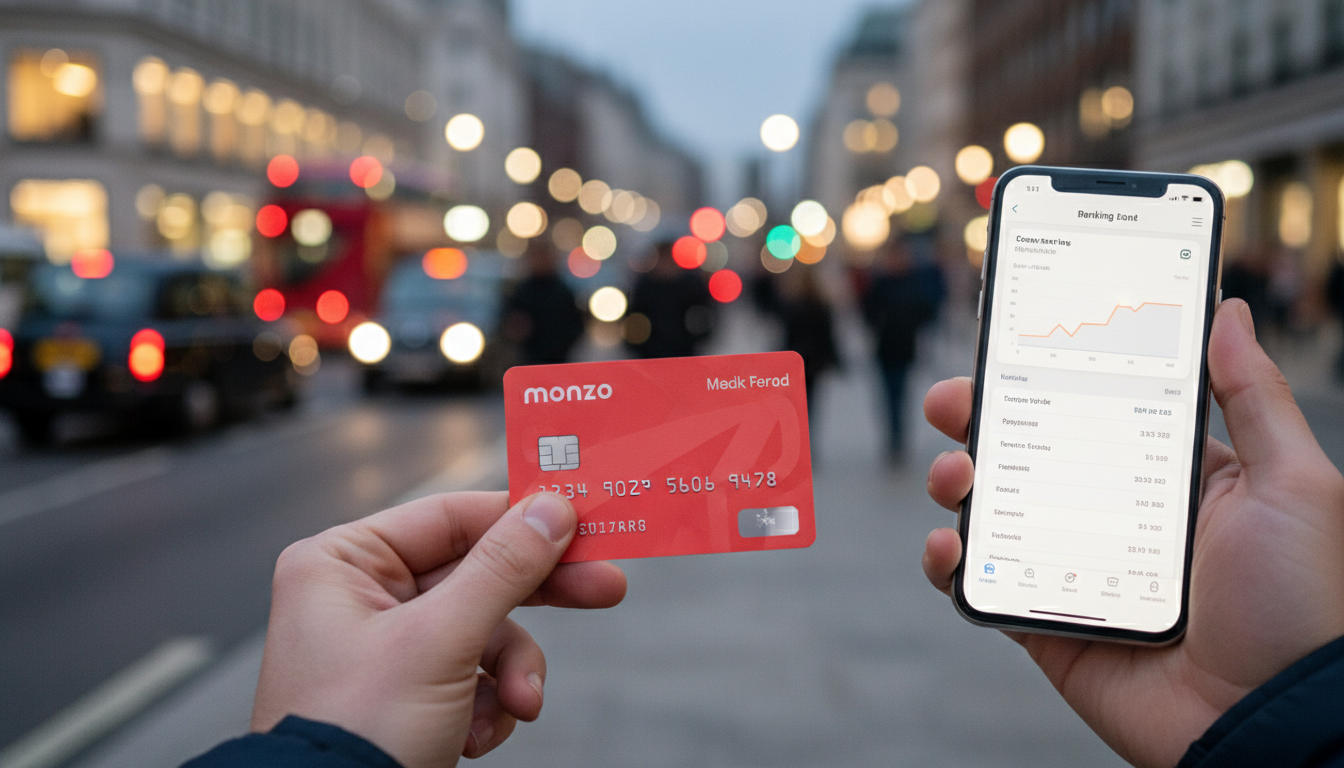
Monzo has become almost synonymous with modern UK banking. Its iconic coral-colored cards are everywhere, from London coffee shops to Edinburgh bookstores. For expats, the appeal lies in the simplicity. You can usually open an account with just a passport and a UK address, even if you don’t have a long history in the country. The app’s ‘Pots’ feature and instant spending notifications make it an excellent tool for managing a new budget in British Pounds.
Starling Bank is another heavyweight in the challenger space. Often voted Britain’s best bank, Starling offers a more traditional banking feel within a digital framework. Unlike some of its rivals, Starling is a fully licensed bank with FSCS protection up to £85,000, providing that extra layer of security that many risk-averse expats crave. Their lack of fees for using the card abroad also makes it a perfect companion for those planning to explore Europe.
High-Street Giants: When Heritage and Physical Presence Matter
Despite the fintech boom, many expats still prefer the perceived stability and physical presence of a high-street bank. If you are planning a long-term stay, looking to get a mortgage, or require complex financial products, the traditional route might be more beneficial in the long run.

HSBC Expat: The Global Connector
For high-net-worth individuals or those who move frequently between countries, HSBC Expat is often the gold standard. Based in Jersey, this service allows you to maintain your account in multiple currencies and move your credit history across borders. It is particularly useful if you were already an HSBC customer in your home country, as they can use your existing relationship to bypass the local ‘proof of address’ nightmare.
Barclays and Lloyds: The Local Stalwarts
Barclays and Lloyds are ubiquitous across the UK. They offer dedicated ‘New to the UK’ accounts specifically designed for expats. While the application process is more rigorous than a digital bank—often requiring a face-to-face meeting and verified documents—having a physical branch to visit can be a lifesaver when you encounter complex issues that an AI chatbot simply cannot solve.
Key Considerations Before You Apply
Before committing to a provider, it is crucial to look past the shiny apps and consider the underlying costs. International transfer fees can quietly eat away at your savings. Many expats find that the most efficient strategy is a ‘hybrid approach’: using a traditional bank for their salary and larger bills, while utilizing services like Wise or Revolut for daily spending and sending money back home.

Revolut: The Multi-Currency Powerhouse
While technically an electronic money institution rather than a full bank in the UK, Revolut is an essential tool for many foreigners. Its ability to hold and exchange dozens of currencies at the interbank rate is unparalleled. For someone who still has financial commitments in their home country, Revolut provides the flexibility that traditional UK banks often lack.
Final Verdict: Finding Your Perfect Match
Choosing the best expat bank account in the UK is ultimately a personal decision based on your residency status and financial complexity. If you are just arriving and need an account ‘yesterday,’ Monzo or Starling are your best bets. If you are a high-flyer with global interests, HSBC Expat provides the necessary reach. The UK banking market is more competitive than ever, which is great news for the global citizen. Take the time to compare, and don’t be afraid to use multiple accounts to make the most of what the British financial system has to offer.